November 19, 2026
What We Leave Behind Is More Than What We Build
By Karunamaya Vesna Blazhevska
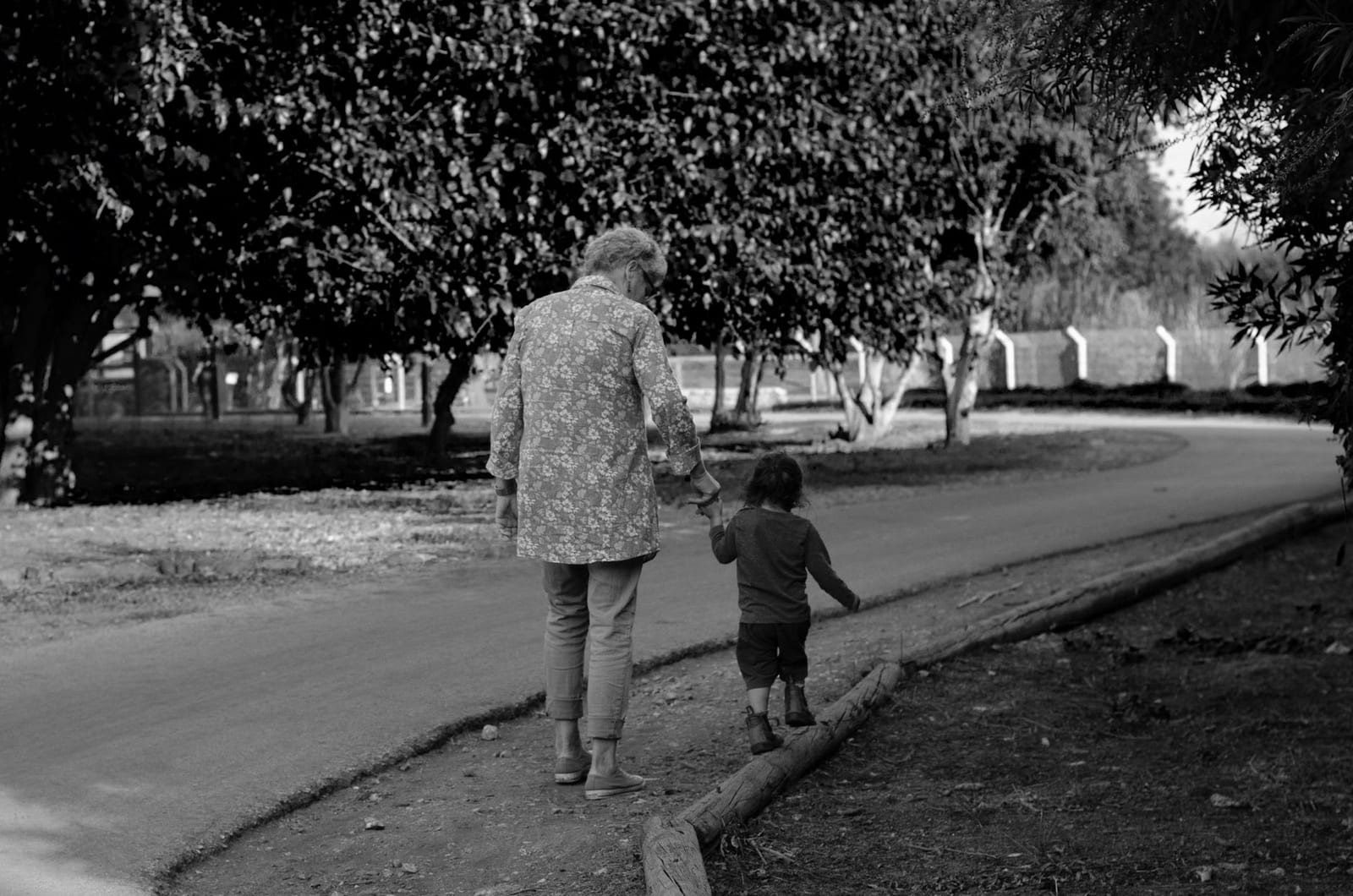
By Karunamaya Vesna Blazhevska, New York, NY
The Question We Skip When We Talk About Progress
Most conversations about progress focus on what gets built. A new policy, a new technology, a new target reached by a certain year. Those things matter, and I spend a lot of my working life around them. But I think we skip a quieter question that matters just as much: what are we actually leaving behind for the people who come after us?
Building something is visible. You can point to it, measure it, put a date on it. What we leave behind is harder to see. It shows up later, in habits, in air quality, in how the next generation thinks about using resources they did not choose to inherit.
What We Build vs What We Leave
There is a difference between an achievement and a legacy, and I do not think we are taught to separate the two. An achievement is finished the day it happens. A legacy keeps happening long after we stop paying attention to it.
A building gets built, and that is an achievement. But the water it uses for the next fifty years, the waste it produces, the way it was designed to fit or ignore its surroundings, that is the legacy. The same split applies to almost anything: a policy, a product, a habit repeated enough times to become normal.
The Part That Does Not Make the Announcement
The part we build gets the announcement. The part we leave behind rarely does, because it does not happen on a schedule. It accumulates. By the time anyone notices it clearly, the people responsible for it have usually moved on to the next thing they are building.
I find this gap worth sitting with, especially in work connected to sustainability and global issues, where the timelines are long and the people affected by a decision are often not the people making it.
Daily Choices as a Form of Inheritance
I do not think this question only applies to institutions or large systems. It applies to daily choices too. What we eat, what we throw away, how much we consume, these are not neutral habits. They are small, repeated decisions that add up to something the next generation either benefits from or has to clean up.
I have made some of my own choices with this in mind, not because I expect them to change the world on their own, but because I think responsibility is something you practice in small, consistent ways before it becomes something you can speak about honestly. A habit held for decades says more than a statement made once.
Why This Question Matters More Than It Seems
It would be easy to treat "what we leave behind" as a sentimental idea, something for a closing paragraph rather than a real standard. I do not think it is sentimental at all. It is practical. If you ask what you are building, you get a project plan. If you ask what you are leaving behind, you get a different set of priorities: durability over speed, long-term cost over short-term convenience, the needs of people you will never meet over the comfort of the people in the room right now.
This is also where I think spirituality and practical work meet, even though they rarely get discussed together. Most traditions carry some version of the idea that we are temporary stewards, not permanent owners, of what we have. That idea is useful outside of religion too. It asks you to think past your own timeline.
I do not have a formula for how to apply this perfectly. I am not sure anyone does. But I think the question itself is worth asking more often than it gets asked, in communications work, in environmental policy, and in ordinary daily choices. Not "what did we build this year," but "what will still be here, in some form, long after we are not."
That second question is harder to answer. It is also, I think, the more honest one.